Sometime in the 1970s, a chronobiologist named Franz Halberg discovered that the human body doesn't just respond to time – it anticipates it. Your cortisol starts rising before your alarm goes off. Your immune system peaks on a schedule your conscious mind never agreed to. Your cells have been running a clock since before you were born, tracking rhythms older than any calendar humans ever invented.
Halberg called this circadian – from the Latin circa dies, approximately a day. But the principle extends further than twenty-four hours. Your body runs on monthly rhythms, seasonal rhythms, multi-year rhythms. It's been timing you your whole life.
So has the sky.
That's not a metaphor. That's the starting premise of Cosmic Psychology – and it took me years of sitting at the intersection of astrology, clinical psychology, and chronobiology before I was willing to say it that plainly.

What Cosmic Psychology Is
Most frameworks give you one angle on a human life.
Therapy gives you the interior: the wound, the pattern, the story you've been telling yourself. Coaching gives you the exterior: the goal, the gap, the action plan. Astrology, in most of its popular forms, gives you the forecast: what's coming, what to watch for, what the planets are supposedly doing to you.
Cosmic Psychology gives you something different: a precision map of your own psychology, calibrated to your biology and synchronized with your timing.
Three disciplines, one framework.
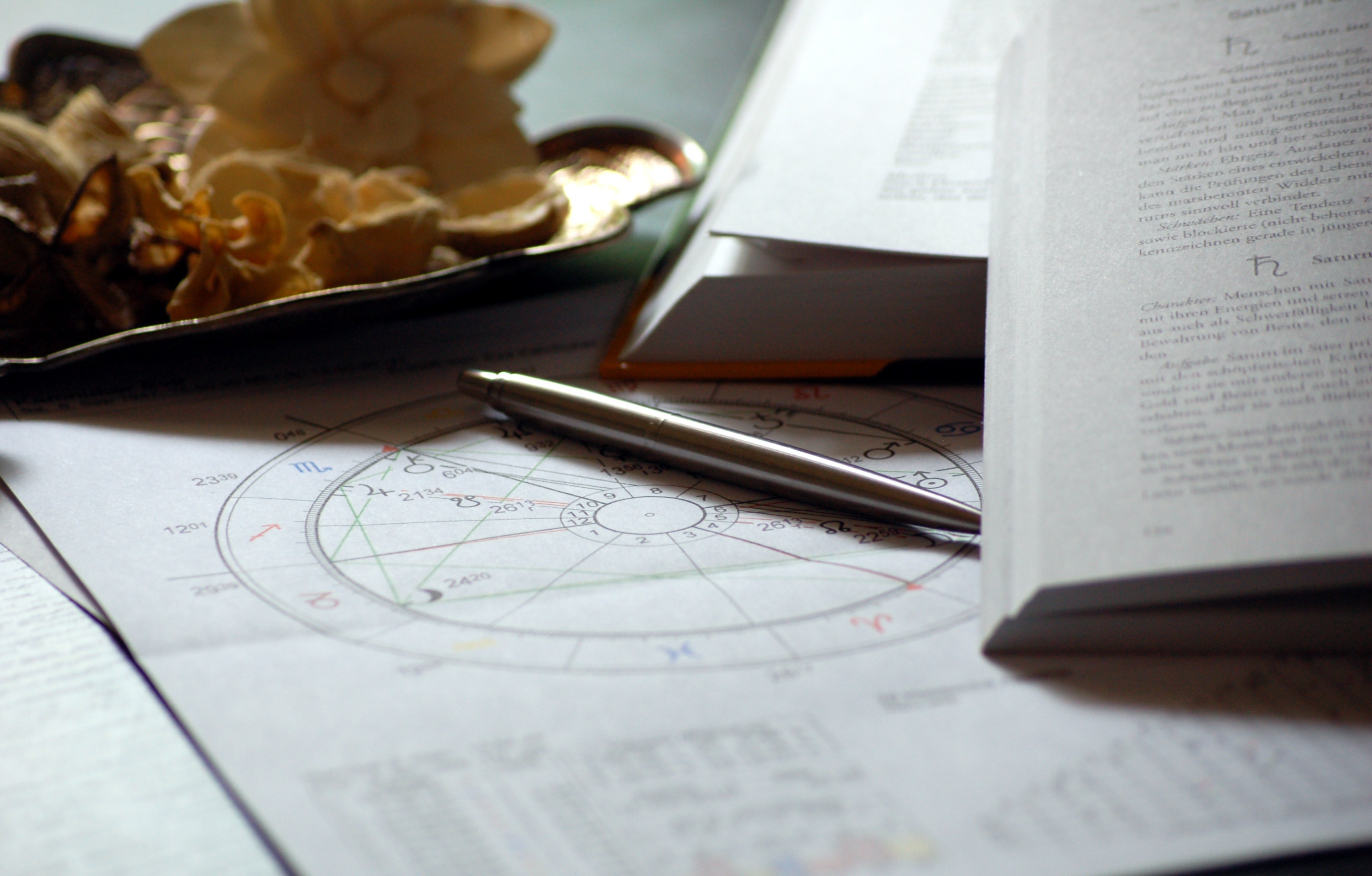
Astrology as a psychological language – not a prediction system. Your birth chart holds the architecture of your psyche: your patterns of attachment, your relationship to authority and risk, the wound you keep orbiting, the gifts you keep underselling. In Cosmic Psychology, every placement is read the way a clinician reads a case history: with rigor, with care, and with a clear eye toward what can actually move.
Clinical psychology as the operating system – the science of how humans metabolize change, how the nervous system responds to constraint and expansion, how insight becomes behavior and behavior becomes identity. Without this layer, astrology stays interesting but weightless. With it, the chart becomes actionable.
Chronobiology as the timing mechanism – the science that maps your biological cycles and identifies the windows when your nervous system is most primed for real reorganization. Insight delivered at the wrong moment passes through you like weather. Insight delivered at the right moment lands somewhere below the ribcage and stays there.
The combination is what makes the work precise. And precision is what makes it useful.
Why It Works When Other Things Haven't
Here's what I hear most often from people who find their way to Cosmic Psychology: I've done the work. I know my patterns. And I'm still running them.
That gap – between knowing and changing – is real, and it's not a personal failing. It has a structure.
Most insight-based approaches address the cognitive layer: here's the pattern, here's where it comes from, here's a better story to tell yourself. And that's genuinely valuable. But the pattern doesn't live only in the cognitive layer. It lives in the body. In the nervous system. In the biological rhythms that pulse beneath conscious thought. In the timing – the when – that most frameworks never touch at all.
Cosmic Psychology works at all three levels simultaneously.
When we look at your Saturn placement, we're looking at the architecture of your relationship to limits, to authority, to your own ambition – and we're also looking at the chronobiological signature of Saturn's twenty-nine year cycle, the one your body has been running since birth. When we track a Uranus transit moving through your fourth house, we're not predicting disruption. We're identifying a window – typically two to three years long – when your nervous system is biologically primed to reorganize the foundations it built in childhood. That's not a threat. That's a lever.
The lever is what changes things.
What a Session Actually Does
Every reading in Cosmic Psychology is built around three movements.
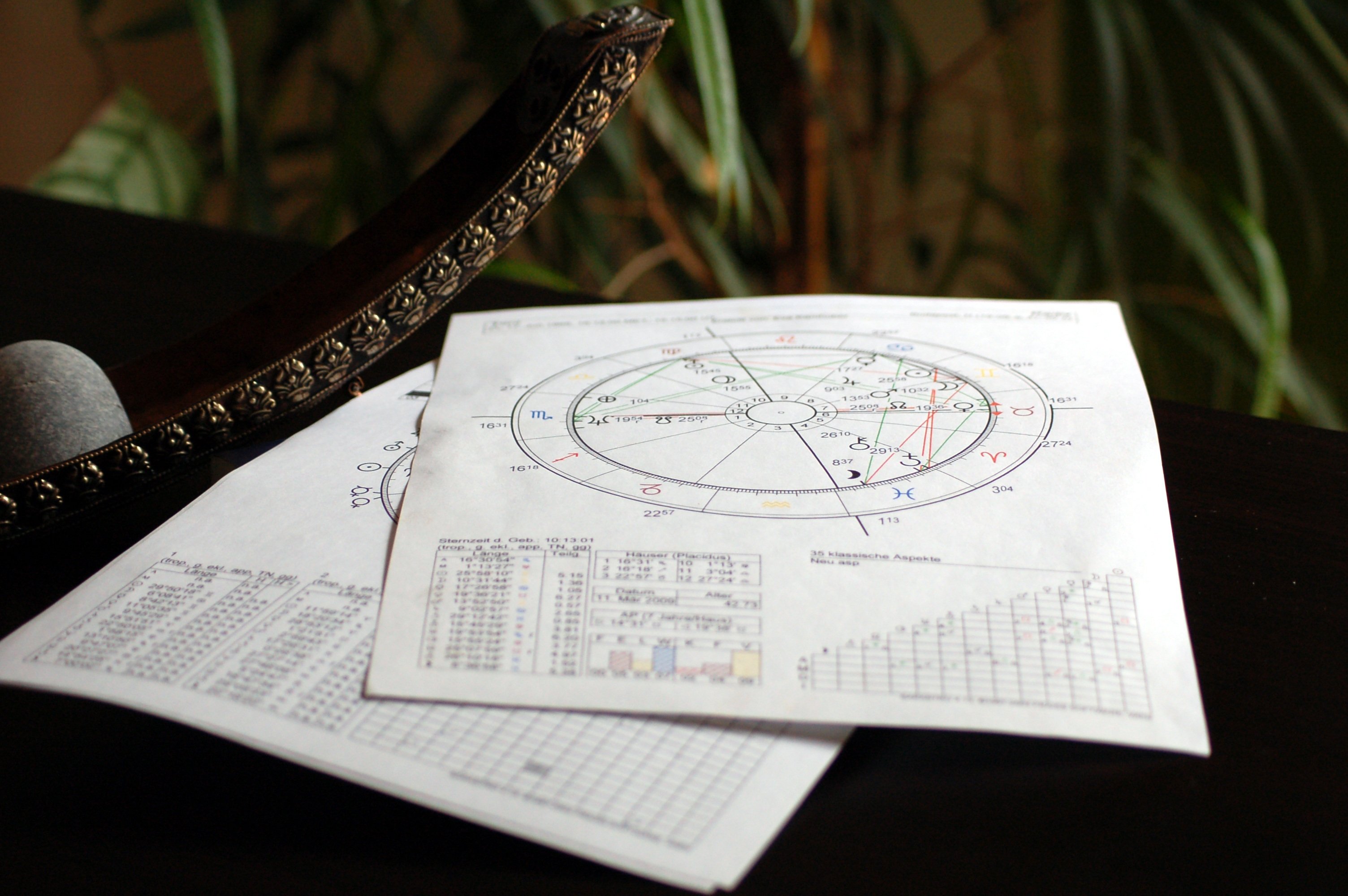
First: the map. We look at the natal chart as a psychological document – a precise portrait of your core architecture. Your patterns of attachment and autonomy. The places where you generate meaning and the places where meaning goes opaque. The recurring shapes in your story and what's driving them. Most people recognize themselves in this portrait immediately. Some find language for something they've been carrying wordlessly for years.
Second: the timing. We overlay the current sky onto your natal chart and identify what I call the active architecture – the transits and progressions that are generating pressure, creating windows, or completing cycles right now. This is where chronobiology enters: we look at not just what is moving, but where you are in the arc – beginning, middle, or completion – and what that location means for what's possible right now versus what needs to wait.
Third: the landing. Every session ends with something concrete. A reframe that changes how a relationship feels. A decision that's been stuck finally becoming clear. A direction that makes sense not just intellectually but physically – the kind of knowing you feel in your body at 7am on a Tuesday, when the day is still blank and the noise hasn't started yet.
That landing is non-negotiable. Nothing floats. Everything gets translated into something you can use.
The Difference Between a Forecast and a Lever
A forecast tells you what's coming. You receive it, you wait, you see what happens.
A lever works with what's already in motion – your actual psychology, your real biology, the timing your nervous system has been building toward. You don't wait for a lever. You use it.
The shift between those two relationships to the sky is, in my experience, the shift that changes everything. The chart stops being something that happens to you and becomes something you read. A language for the patterns you've been living inside, finally precise enough to work with.
Your birth chart is your psychology. The sky has been tracking it your whole life.
The question Cosmic Psychology asks is a simple one: now that you have the map, what do you want to do with it?